The history of Embedded systems in Cars.
The early years.
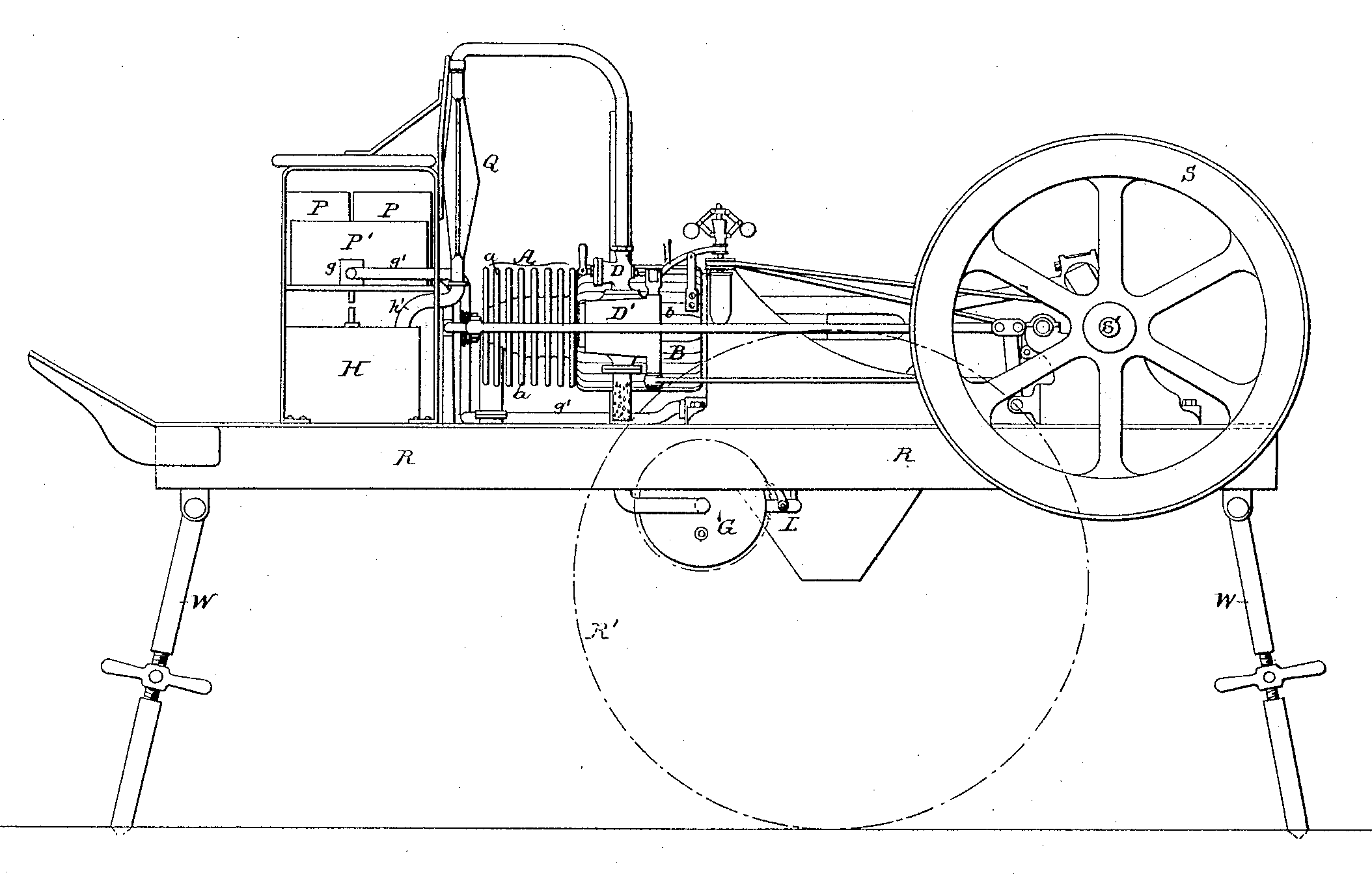
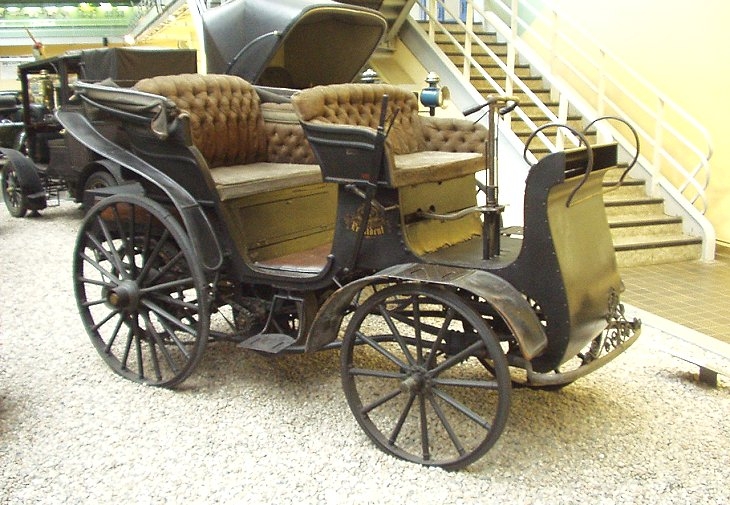
From the early days of mechanical transportation the vehicles had no electronics. Purely mechanical. This was a huge step forward in transportation. From a horse drawn cart to a means of travelling long distances without the need for animals to move people.

ref[1]
ref [2]
In 1807, François Isaac de Rivaz designed the first car powered by an internal combustion engine fueled by hydrogen. In 1886, the first petrol- or gasoline-powered automobile, was invented by Karl Benz. This is also considered to be the first "production" vehicle as Benz made several other identical copies.
From this early car the main step was to make this form of transporation cheaper and available to the people. The person who saw this as not only a way to make money but to be worldwide well know was Mr Henry Ford.
ref[3]
This car still had no electronics but at this stage this technology was not available and not required by the public.
What was the first car to incorporate an Embedded system?
It’s easy to imagine there is a lot of complex computer software code required to operate and control a fully autonomous self-driving car, such as the prototype recently unveiled by Google, and that advanced systems engineering and software life cycle management techniques are required to successfully manage its development. However, you may be surprised to find out that nearly every vehicle under 30 years old on the road today also depends on computer software - and lots of it.
According to an IEEE Spectrum article by Robert Charette entitled: “This Car Runs on Code,” the first production car to incorporate embedded software was the 1977 General Motors Oldsmobile Toronado which had an electronic control unit (ECU) that managed electronic spark timing. By 1981, GM had deployed about 50,000 lines of engine control software code across their entire domestic passenger car line. Other auto manufacturers soon followed the same trend. - See more at: http://www.qsm.com/blog/2015/how-much-software-your-car-1977-toronado-tesla-p85d#sthash.aklMK9IM.dpuf ref[4]
The first car with an embedded software in it was the above 1977 Toronado.
Embedded system today in cars.
The cars nowadays contain embedded systems that control many aspects of the controls of the car that takes some parts of driving away from the driver but does help. The systems control the engine's system for the checking of the values that are being generated by the engine and thus will alert the driver of issues or possible faults that may occur. These are done with the technology that is available today to check tempereture ,vibration and many other sensing elements.Driver assist is also available such as parking assist and cruise control. This is the embedded system working fast so that accidents do not happen. With the information from the sensors the parking assist can be done with the embedded sytem with the code working in tandum with the car's hardware(steering wheel, engine accelarator) to successfully executed. The cruise control is getting information from the sensors which would include the speed sensor, the brake sensor, the vision sensor and accelarator. These would be a Class A canbus system that works very quick. The lower priority systems would work at a lower rate and be a Class C.
 ref [5]
An embedded system is an electronic or computer system which is designed to control, access the data in electronics based systems. This system includes a single chip microcontroller such as cortex, ARM and also microprocessors, FPGAs, DSPs, and ASICs. Nowadays the usage of embedded systems is widespread. But the software that is programmed into the microcontroller is capable of solving only a limited range of problems.
An advanced embedded system in automobiles has increased rapidly in the past two decades. Every year automobile manufacturers pack embedded systems into their cars for different functionalities like ignition, security and audio systems. The technological innovations of the embedded system within the vehicle are being ambitiously challenged to make the vehicle energy efficient, network savvy and safer. In 1968, the Volkswagen used first embedded system in the automobile industry.
The systems are getting more and more developed so that the car of the future can be viewed with an imagination that could create almost anything.
 ref[6]
 Each section of a car can be someway changed so that it can be included into the embedded system of todays cars.

ref[7]
Autonomous cars
Self-driving cars have come under increased scrutiny in the past week, as newly uncovered documents show that a 2012 road test for one of Google’s self-driving cars resulted in a pass very much without flying colors. The data in question come from government documents acquired through Freedom of Information laws, and show that on its Nevada driving test Google’s car had its share of small problems, and that it was never exposed to some difficult situations like railroad crossings, roundabouts, and school zones. There’s also some question as to whether Google was unfairly involved in designing the test, and that the Google team set the car’s route beforehand and specifically avoided troubling weather conditions. Additionally, at several trouble points the car decided it was incapable of proceeding safely and turned control over to its human occupants — and the irony of that limitation was simply too good for most media outlets to pass up.
Still, this latest “exposé” is not nearly as damning as some are framing it to be. To me, the interesting thing about self-driving cars is not the amount of trust that people are willing to put in self-driven vehicles, but rather the amount of trust that they are willing to put in human-driven vehicles. Most people’s reaction to driving algorithms involves questions such as, “What if there was a bug?” or, “What if you got hacked?” Such questions are best answered with a counter-question: What if your taxi driver had a seizure? What if your bus driver panicked in an unexpected situation? What if the trucker coming from the other direction simply fell asleep at the wheel?

ref[8]
Future of Embedded systems in cars.
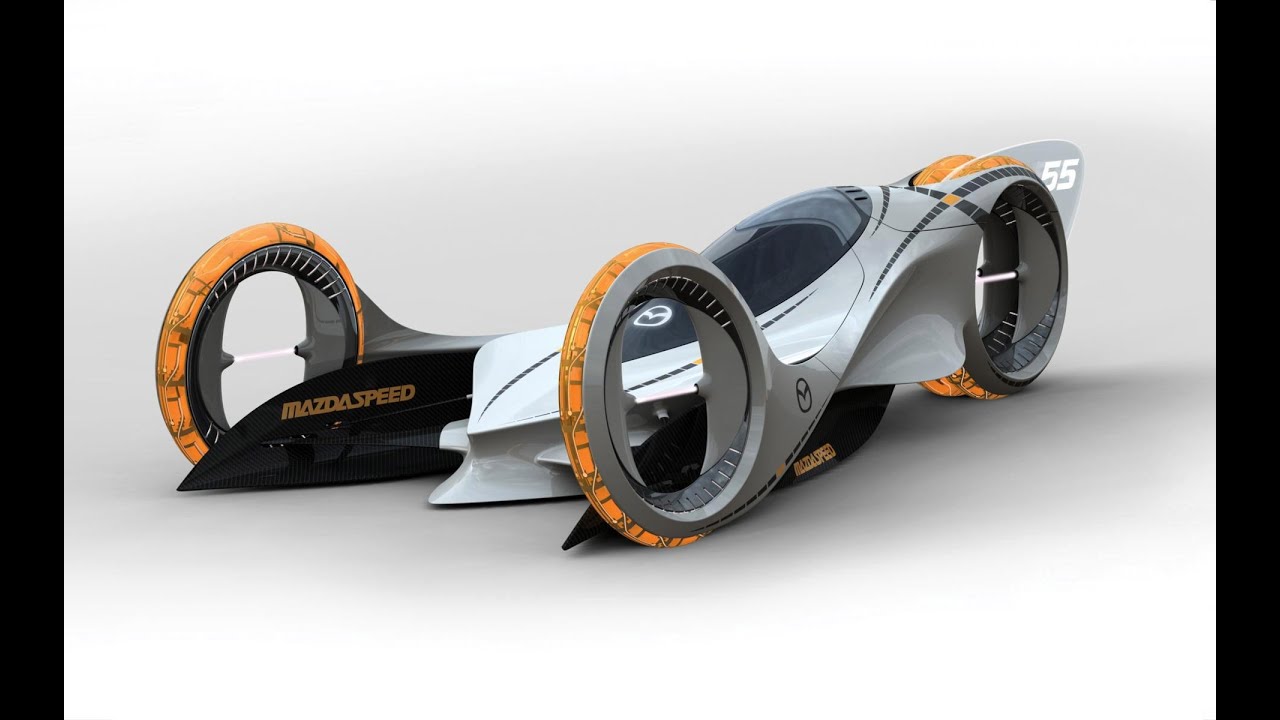
The future of embedded systems in the cars industry is in my view limitless as far as the imagination of engineers and the drivers are. The ides that in the future that whatever is created must be a benifit to the driver and be as safe as possible.Mercedes-Benz expects improvements across all fronts, from increased performance through engines with higher specific output to wireless communications, providing advanced consumer services. Overall, cars will be much more aware of their surroundings through the use of new sensors. This information will be processed by a network of embedded systems providing drivers with immediate feedback regarding critical information, like road hazards and engine performance.
ref[9]
ref[10]
The ideas that maybe created could be things like
- Infra red windscreen; The windscreen would display the view of the up coming road so that on a motorway that the driver could see the road ahead without the lights on. Light pollusion is a subject that some people feel is important and with the motorways going through countryside this could eliminate the lihgts in this area.
- Electric supply roads; The wheels of the car would have a way of taking power from the power lines placed in the road. This would help electric cars to travel further. The embedded system on the car would work out the best speed to travel so to save energy and only take power from the power lines if it sees that the final destination may not be reached with the power in the battery pack.
- Car-to-Car communications; The car in front may communicate with the car behind and exchange information. It could be a diagnostic check for the embedded system and the car. Certain areas of the motorway may have servers on the roadside and this could do the checks.
- In city control; When your vehicle reaches a town or city, control is taken from you and the city will have a system in place so they could drive you to the destination you have entered, either by speaking or inputting on a keypad. The cities system in conjunction with the cars system would help to bring the car to its destination avoiding bottlenecks or accidents so to make the flow of traffic more efficient.
These are just some ideas that could be developed. The future can be a very exciting time.
Embedded from start.
There are many companies that have been developing and upgrading the car industry. From the automation of the manufacturing industry and lately to the development of the autonomous car.

ref[11]
For the automation of the car industry the robots are an embedded system on a large scale.
But “a new generation of smarter, smaller and gentler robots is poised to transform manufacturing again, this time by working alongside their human colleagues.”1 Collaborative robots, or “cobots,” now populate factory floors working in tandem with humans to make operations run more smoothly. Cobots are a newer trend, able to assist in a myriad of ways, from moving parts and improving safety to taking on wearisome tasks to improve the health of workers.
When the industry of manufacturing cars has been incorpoated with the technology to include robots so to automate it, the only avenue to develop is the car itself. The idea of the self drive car has been in films and magazines for years and with the introduction of the embedded systems theses dreams of the self driving car can now be brought to the realisations of the creators who may have dreamt these dreams as a child.
Such companies like Toyota, Ford, BMW and many more have moved to this manufacturing process which leaves the next step. The car itself.
The Dreams of self drive cars.

The above shows the car in Total Recall. At the time of the film cars with the ability to self drive a person from place to place was just science fiction but from these ideas come reality.

ref[13]
This picture was in a Woody Allen film called "Sleeper". It was a car that would bring you from place to place. This was made back in 1973, a long time before some of the students( who are now in college learning about embedded systems ) were born and the idea of such a device was just an idea in this film. But huge steps have been made and this day and age with the technology that is available shows us that ideas and dreams are just the whiteboard of future developments.
From these films ideas and the drive of the believers such electronic developments can be created. What was needed was a company with not just money but also the belief that such ideas or even crazy ideas can come true. Who should think of this but GOOGLE.
Top Company "GOOGLE"

Google Self-Driving Car is any in a range of autonomous cars, developed by Google X as part of its project to develop technology for mainly electric cars. The software installed in Google's cars is named Google Chauffeur.[1] Lettering on the side of each car identifies it as a "self-driving car". The project was formerly led by Sebastian Thrun, former director of the Stanford Artificial Intelligence Laboratory and co-inventor of Google Street View. Thrun's team at Stanford created the robotic vehicle Stanley which won the 2005 DARPA Grand Challenge and its US$2 million prize from the United States Department of Defense.[2] The team developing the system consisted of 15 engineers working for Google, including Chris Urmson, Mike Montemerlo, and Anthony Levandowski who had worked on the DARPA Grand and Urban Challenges.[3]
Legislation has been passed in four U.S. states and Washington, D.C. allowing driverless cars. The state of Nevada passed a law on June 29, 2011, permitting the operation of autonomous cars in Nevada, after Google had been lobbying in that state for robotic car laws.[4][5] The Nevada law went into effect on March 1, 2012, and the Nevada Department of Motor Vehicles issued the first license for an autonomous car in May 2012, to a Toyota Prius modified with Google's experimental driverless technology.[6] In April 2012, Florida became the second state to allow the testing of autonomous cars on public roads,[7] and California became the third when Governor Jerry Brown signed the bill into law at Google Headquarters in Mountain View.[8] In December 2013, Michigan became the fourth state to allow testing of driverless cars on public roads.[9] In July 2014, the city of Coeur d'Alene, Idaho adopted a robotics ordinance that includes provisions to allow for self-driving cars.[10]
In May 2014, Google presented a new concept for their driverless car that had neither a steering wheel nor pedals,[11] and unveiled a fully functioning prototype in December of that year that they planned to test on San Francisco Bay Area roads beginning in 2015.[12] Google plans to make these cars available to the public in 2020.[13]
The large company that GOOGLE is it possible to develop this ingenious new step of travel possible. With the resources available to them such as money , personnel and even more important time , they could develop and achieve the dreams of the self drive car. But what if there was no budget available, no huge amount of personnel and a limited time available, could the dream of a self drive car be possible? This leads me to the next heading Top Class.
Top Class
The baseboards were created by the students getting handouts of the desired baseboard project and by using the software Orcad and PCB Design they would design the baseboards. These baseboards had a PIC 16f887a micro processor and have the ability to use the can-bus system so the boards could be connected to make a network. The car industry uses the can-bus system to communicate data to and from the different sensors and is the backbone for the self drive cars.

Baseboard 1st semester 3rd year
The second semester saw the team being divided into groups to each work on the important sections of the car. These were Brakes, Accelerator, Steering and Vision system. With all teams working on their own parts the full time available would be 12 weeks. In the end each section would have to be able to communicate with the other sections so that the vision system could let the other sections know what was ahead.

The team used the baseboards that were created in the first semester and by using the appropriate code ,the system could work.
Applied Robotics Lab WIT

The team finished the project with the system working with the cars system. From start to finish took 12 weeks. Whiteboard to self drive car. The team had some issues during the semester but final result would show that anything is possible.
Photos of the team


http://builtenvironmentwit.pixieset.com/appliedroboticslab-carproject2016/
ref[1]https://en.wikipedia.org/wiki/
ref[2]www.mercedes.benz.com
ref[3]www.autolife.umd.umich.edu
ref[4]www.qsm.com/.../how-much-software-your-car-1977-toronado-tesla-p8
ref[6]http://www.slideshare.net/asertseminar/embedded-system-in-automobiles
ref[7]http://www.engineering.com
ref[8]http://www.extremetech.com/extreme/187438-googles-autonomous-car-gets-a-b-in-driving-test-not-great-but-better-than-most-of-us
ref[9]http://electronicdesign.com/embedded/embedded-systems-will-make-cars-more-aware-their-surroundings
ref[10]http://carsicons.com/background-wallpaper-future-car.html
ref[11] http://www.autoalliance.org/auto-innovation/advanced-technologies
ref[12]http://www.denofgeek.com/movies/23331/the-stories-behind-five-classic-sci-fi-cars
ref[13]http://beforeitsnews.com/motor-junkies/2014/12/mad-movie-car-sleeper-woodyallen-comedy-future-moviecar-bubblecar-moviecar-fireballtim-2505806.html
ref[14]https://en.wikipedia.org/wiki/Google_self-driving_car